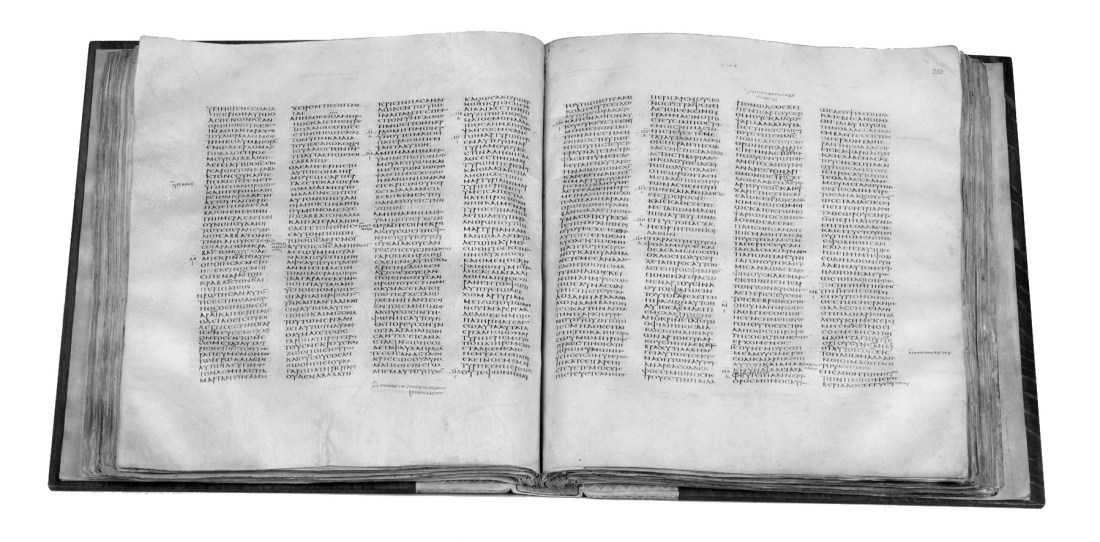
This year marks the 1700th anniversary of the Council of Nicaea, which represents a turning point in Christian history. The event was so far-reaching that some divide Christian history into pre- and post-Nicene periods. The Council of Nicaea is known for establishing Christian orthodoxy: we are talking about “Nicene orthodoxy” or the theology of the Holy Trinity, which actually began to develop with this council and continued to evolve in the following centuries. Many celebrate the Council of Nicaea as an important achievement, especially with regards to Christian unity. I agree it is good that Arianism, which the council opposed, did not become the dominant form of Christianity. However, the way in which this was prevented leaves a bitter aftertaste, making it difficult for me to join in the enthusiastic celebrations. In this article, I would like to present a second opinion, which attempts to be historically balanced and also points out the negative aspects of this council.
Nadaljuj z branjem “Council of Nicaea: Second Opinion”Oznaka: theology
Basic Form of the Church
The answer to the question “What is the Church?” may seem obvious, but as soon as we attempt to provide a precise reply, we see that the matter is not as simple as it might appear. There are different, even opposing ideas of what the Church is supposed to be, how it is established, and what is its essence and main task in the world. The whole vision of Christian life and action, and the way it is organised, depends on this. We are dealing with the key question of how Christians are to exist and act in the contemporary world, how we are to relate to one another and how we are to carry out the mission “to the end of the earth” entrusted to us.
Nadaljuj z branjem “Basic Form of the Church”Theology of Translation
An Introductory Inquiry
“Theology is translation.” This is a quote of Richard Gehman by Philip Noss in the special issue of The Bible Translator (BT) devoted to translation and theology (BT 53, 3 [2003]: 333). The papers therein present an important starting point in acknowledging a positive relationship between the two, but at the same time show that the real discussion of the subject has, in fact, only started. And, given the goal of BT, they focus mainly on specific issues and concrete details, without trying to provide a bigger picture, a theological framework for the discussion of this broad topic. With my contribution, I want to initiate an examination of the relationship between the theology and translation in three areas or stages of interaction. They can be provisionally defined as follows: I. Theological presuppositions of translation; II. Translation process as theological act; III. Theological effects of translation.
Nadaljuj z branjem “Theology of Translation”