Fundamental Question: How to Interpret the Bible?

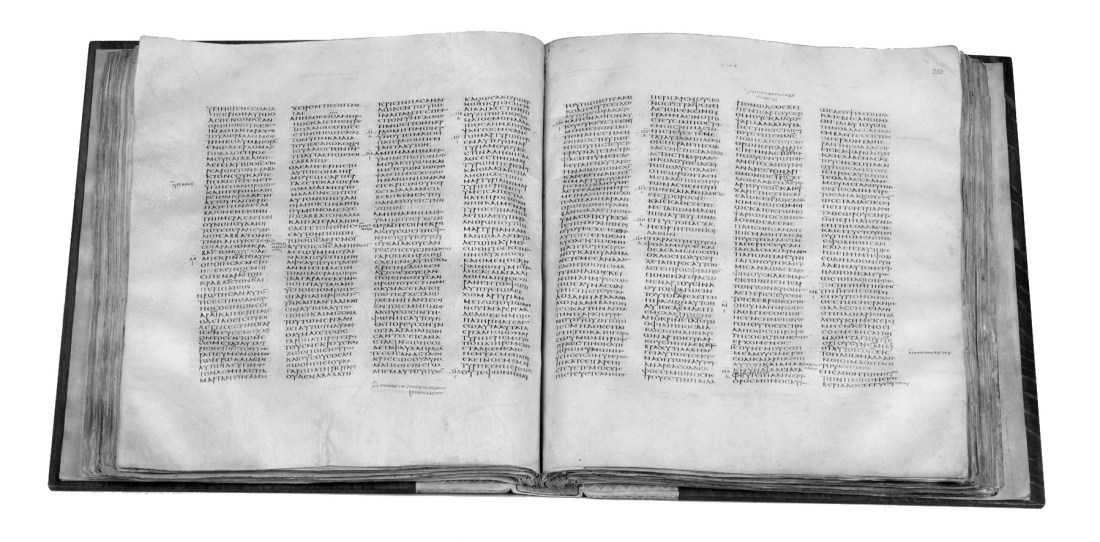
When it comes to how we read the Bible, how we approach the texts, and how we deal with the passages we dislike, we basically have two options:

  1. We select certain passages and make them the basis and criterion for interpreting the whole (thus creating the famous “canon within the canon”). We arrange all other texts around them; we bend to this “canon” any passages that (apparently or actually) speak differently, perhaps with the help of allegory, eisegesis, and other interpretive techniques. In this way, we can obtain a clearly defined, transparent, and well-organized system of belief, where everything is understandable and determined.
  2. We allow all passages to speak with undiminished power. We do not bend one under the other, even though this may leave paradoxes, contradictions, and oxymorons that we cannot fully explain, organize, clarify, untangle, or resolve. In this way we do not get a clear and conspicuous theological system, but a series of powerful words that challenge and encourage us, undermine and provoke us, and lovingly attack us from different directions. It is an explosive mixture that actively works within us to make us active in the kingdom of God.
Nadaljuj z branjem “Fundamental Question: How to Interpret the Bible?”

Darkened Lamp

Domestication of the Bible

For some time now, I have been thinking about David Bentley Hart’s article Christ’s Rabble, which appeared in the Catholic magazine Commonweal, and, in a slightly different form, also in the New York Times with a provocative title Are Christians Supposed to Be Communists?

For those who don’t know, David B. Hart is an American Orthodox theologian and one of the most important contemporary Christian thinkers. In his work The Beauty of the Infinite: The Aesthetics of Christian Truth, he developed a modern and highly relevant aesthetic argument for the existence of God and for the truth of the Christian message. In his book Atheist Delusions: The Christian Revolution and Its Fashionable Enemies, he insightfully and wittily refutes Richard Dawkins’ God Delusion. But besides his theological and philosophical writings, he has also completed a translation of the entire New Testament from the original Greek. It was his intensive study of the New Testament text that prompted him to write the above article.

Nadaljuj z branjem “Darkened Lamp”

Basic Form of the Church

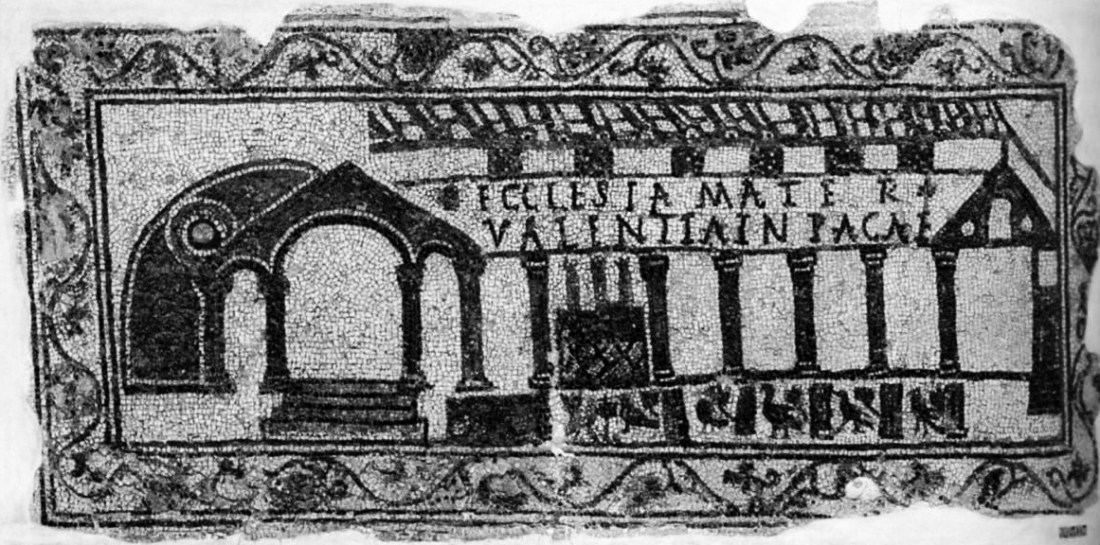
The answer to the question “What is the Church?” may seem obvious, but as soon as we attempt to provide a precise reply, we see that the matter is not as simple as it might appear. There are different, even opposing ideas of what the Church is supposed to be, how it is established, and what is its essence and main task in the world. The whole vision of Christian life and action, and the way it is organised, depends on this. We are dealing with the key question of how Christians are to exist and act in the contemporary world, how we are to relate to one another and how we are to carry out the mission “to the end of the earth” entrusted to us.

Nadaljuj z branjem “Basic Form of the Church”